
Why the gap between digital maturity and lived reality is now a strategic risk for the NHS, and how measurement and harmonisation close it.
Across the NHS, digital maturity scores suggest progress: systems are live, infrastructure is deployed and EPR programmes are “complete”. But as Judy Smith, COO at Ethical Healthcare Consulting points out, the lived reality on the wards often tells a different story.
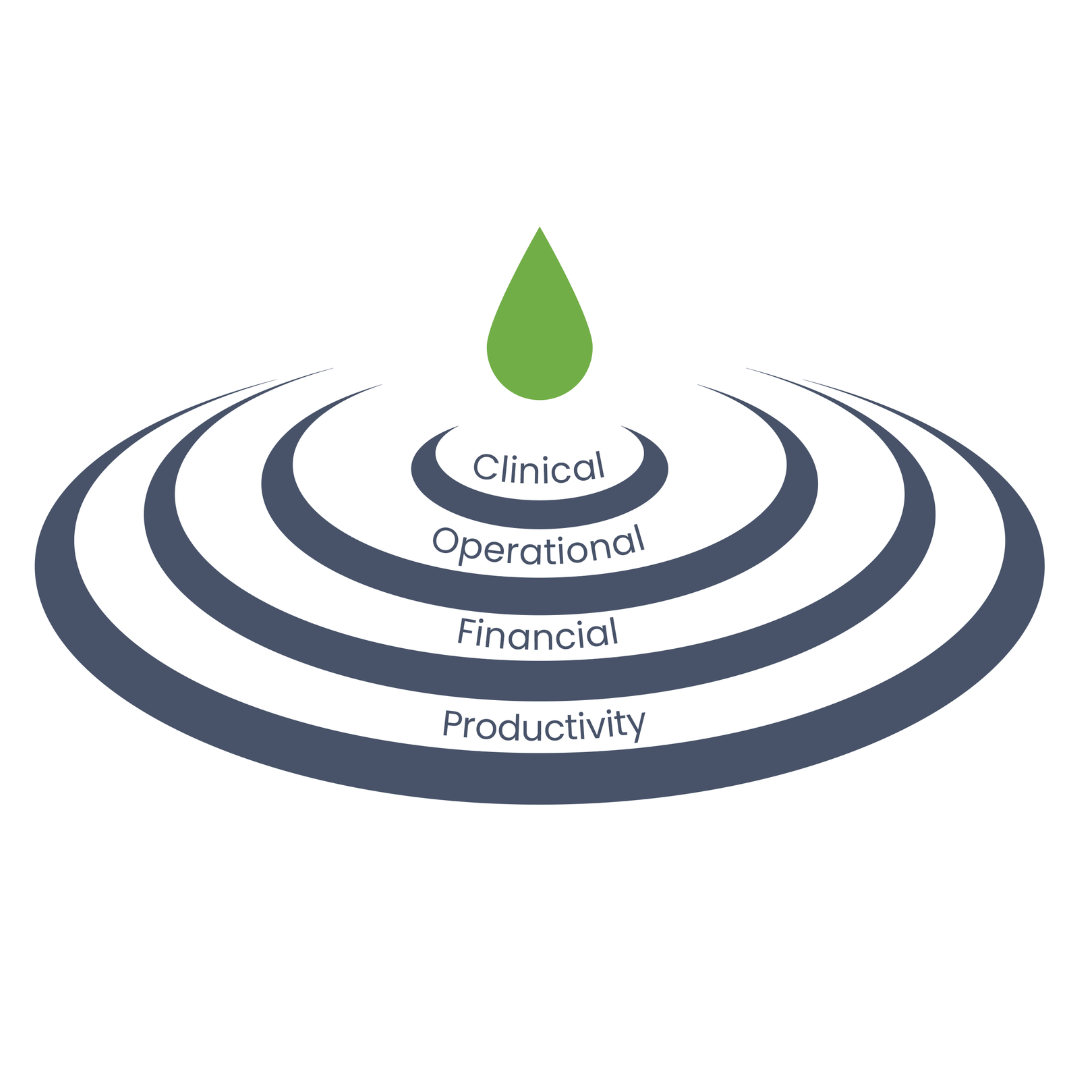
Digital maturity is not the same as digital usability. When user experience is poor, the consequences ripple across clinical safety, operational flow, financial performance, frontline productivity and ultimately, patient experience.
This gap is now one of the most important performance challenges facing NHS leaders.
1. The Strategic Gap: What Leaders See vs What Staff Live
Most Trusts can demonstrate digital maturity. Far fewer can demonstrate that their digital systems are usable, efficient and aligned to real clinical practice.
In my experience, at a high level it all looks mature but the reality on the ground is sometimes very different.
When usability is poor, predictable patterns emerge:
- Clinicians cannot find information quickly
- Workarounds become normalised
- Paper creeps back into pathways
- Documentation becomes inconsistent
- Cognitive load increases
- Patient flow slows
- Productivity drops
Digital maturity without effective usability is an illusion and it is costing the NHS time, money and safety.
2. Clinical Impact: Safety, Cognitive Load and Workarounds
Poor user experience is a clinical safety issue.
When workflows are slow or unintuitive, clinicians revert to paper or skip digital steps. I consider this to be a “mixed economy”, part digital, part paper, where assessments fall out of the patient record and risk increases.
I firmly believe that if people create workarounds, it’s because something doesn’t work the way it needs to. Workarounds are not clever shortcuts they are early warning signs.
Every workaround is a deviation from the intended clinical pathway and a potential safety risk.
3. Operational Impact: Inefficiencies and Flow Disruption
Operational performance is directly tied to digital usability.
Poorly optimised workflows slow down:
- Discharge
- Referrals
- Outpatient bookings
- Documentation
- Multidisciplinary coordination
Every friction point adds minutes. Minutes become hours. Hours become delays in beds, clinics and theatres.
We have seen examples of clinicians reverting to paper because the digital workflow was too slow, and patients ‘fall off the to-do list’ as a result.
This is the lived reality behind digital maturity scores.
4. Financial Impact: ROI Erosion and Hidden Costs
When digital workflows don’t work, the financial case collapses.
Hidden costs accumulate through:
- Extended/avoidable length of stay
- Increased staff time per patient
- Inefficient clinics
- Rework and duplication
- Compliance risk from incomplete records, poor interoperability and broken workflows
If staff revert to paper or avoid digital workflows, the Trust is effectively paying for a system it isn’t fully using.
Put bluntly, if you can’t measure the benefits, you can’t evidence that you’ve realised them, and right now, most organisations aren’t measuring.
5. Frontline Productivity: The NHS England Challenge
NHS England’s Frontline Productivity targets depend on efficient digital workflows. Poor usability makes those targets harder to reach.
Productivity cannot improve without:
- Reduced friction
- Faster workflows
- Complete digital records
- Reliable data
- High‑quality user experience
And none of this is possible without measurement.
6. Measurement: The Foundation of Improvement
If you’re not measuring, you’re not improving.
Trusts must benchmark and then regularly measure:
- User experience
- Workflow friction
- Workarounds
- Time lost
- Cognitive load
- Patient impact
Experience data is not “soft”. It is operational intelligence. It reveals where productivity is lost, where safety is compromised, and where optimisation will have the greatest impact.
Measurement changes mindsets, exposes blind spots and creates accountability.
7. Harmonisation: The Key to Sustainable Optimisation
We have seen first-hand that standardisation makes people feel like robots.
Harmonisation aligns core workflows across the organisation while allowing appropriate localisation. It creates:
- Better staff engagement
- Consistency
- Efficiency
- Reduced variation
- Better training
- Better data
- Better patient outcomes
Harmonisation is how digital workflows become usable, safe and scalable.
8. The Leadership Imperative
Closing the gap between digital maturity and lived reality requires executive ownership. Digital transformation is not a digital project; it is an organisational one.
Optimisation must cut across digital, clinical and operational teams, and ultimately be championed by the CEO.
Leadership must also remember that at the heart of any transformation are people: your patients and your staff. Without engaging them and mapping and measuring their experience, workflows and behaviours, successful transformation will not happen.
Executive teams must champion:
- Continuous optimisation
- Cross‑functional collaboration
- Measurement of experience
- Harmonised workflows
- A relentless focus on usability
- A clear link between digital experience and organisational performance
Digital maturity is not the goal. Digital usability is.
When user experience improves, every ripple improves with it: clinical safety, operational flow, financial performance, frontline productivity and patient outcomes.
Let us help
At Ethical Healthcare Consulting, our team has deep expertise working within the NHS in clinical, digital, transformation and communications disciplines. We have lived the challenges, the frustrations, and satisfaction of solving the myriad changes over the years.
We would love to hear from you to understand what you may be struggling with and see if we can support you and your suppliers to smooth out the issues that are preventing the improvements you’re seeking.
Contact us for an informal discussion, download our latest report The NHS Digital Reality, or take a look at more of our views and approaches to transformational improvement.
Don’t forget to register for the National EPR Usability Forum using the form below.